Compare 5 Best DMCA Takedown Services for OnlyFans Content
Compare pricing, success-rates & speed of Erasa, Rulta, Enforcity and more to protect leaked OnlyFans content. Free templates & insider tips.

 Fake Account Detection & Removal
 DMCA Takedown Service
 Onlyfans Creator Protection
 Private Photo Protection
 Revenge Porn Removal
 AI Image Abuse Detection
 For Creator
 For Individuals
 General
 Twitter Shadowban Test
 Instagram Shadowban Test
 Tiktok Shadowban Test
 Creator Platform Comparison Tool
 OnlyFans Restricted Words Checker
 OnlyFans Caption Generator
 Blog
Blog DMCA Guides
 Affiliate Program
 Email
Email X(Twitter)
 Telegram
Discovering that your photos, videos, or creator content have been leaked online can be disruptive — especially when the content starts spreading beyond your control. Whether you’re a creator on platforms like OnlyFans, Fansly, or Chaturbate, or an individual dealing with unauthorized sharing of private images, leaks can affect visibility, income, and long-term control.
This guide focuses on what to do after a leak has already happened — how to understand where content has spread, limit further damage, and prevent repeated reuploads.
Leaks don’t all look the same.
For some people, it involves private images or videos shared without consent.
For creators, it often means paid content being reposted, resold, or mirrored across multiple sites.
Common situations include:
Regardless of how it starts, leaks rarely stay contained.
The first instinct is often to react quickly — message the person responsible, delete accounts, or explain what happened.
In most cases, slowing down helps you avoid making the situation worse.
At the beginning:
The goal at this stage isn’t to fix everything at once.
It’s to avoid actions that increase visibility or make removal harder later.
You can’t deal with a leak if you only see part of it.
What many people discover later is that the first link they found wasn’t the only copy. The same photo or video may appear under different URLs, reposted by new accounts, or shared on sites they wouldn’t normally check.
Before focusing on removal, it helps to understand where the content has actually spread — not to chase every link, but to see the scope of the leak.
This is where a reverse search can help.
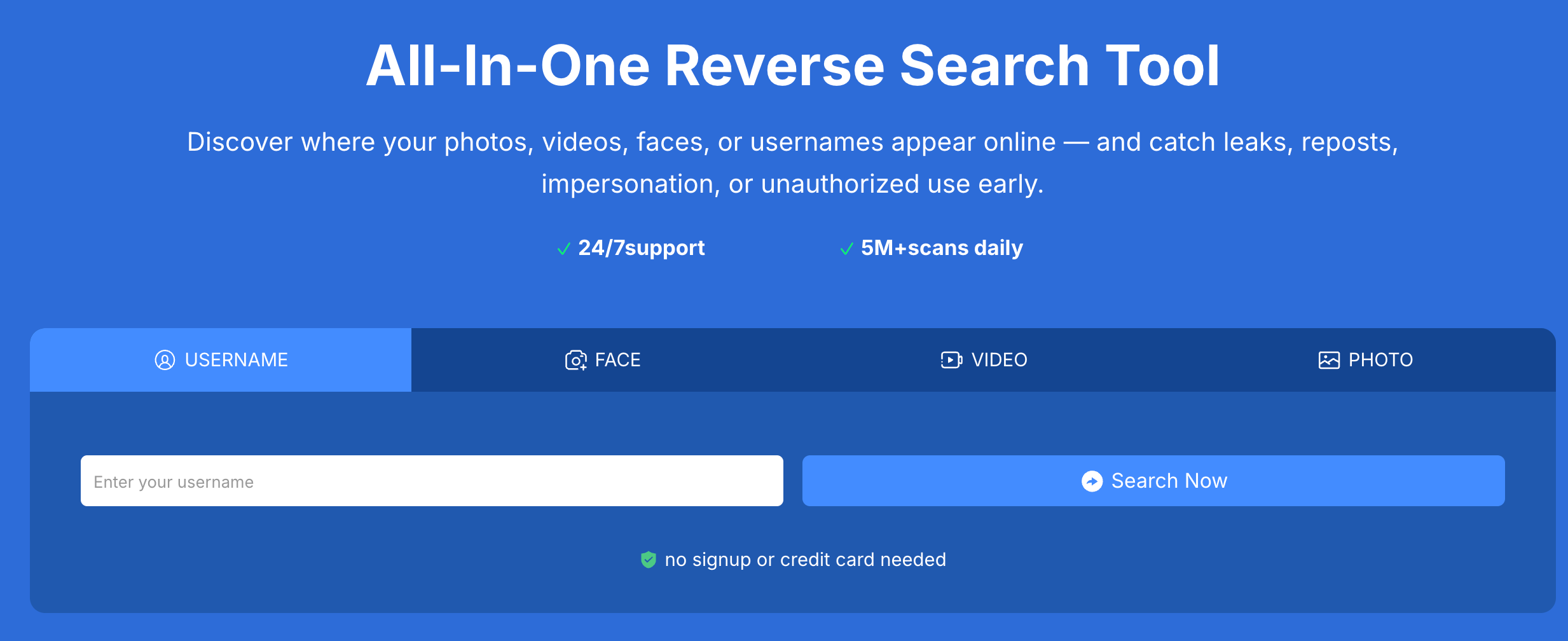
Instead of manually searching platform by platform, Erasa’s reverse search allows you to upload a photo, video frame, or username and see where similar copies appear online. The process is simple, doesn’t require technical setup, and is designed to run privately.
If you want to identify where your photos, videos, or creator content are being reuploaded, Erasa’s reverse search can help surface matching copies across sites and accounts. This makes it easier to decide which links matter most before starting takedowns.
Used this way, reverse search isn’t about tracking everything forever — it’s about making smarter decisions early.
Once you know where show up, removal becomes more realistic — but it’s important to understand the limits.
Takedowns can:
Takedowns don’t:
This is why many people experience the same pattern: content is removed, then quietly appears somewhere else days or weeks later.
That doesn’t mean takedowns failed — it means distribution is ongoing.
Some leaks are clearly malicious.
This may include:
In these situations:
Even when content was originally shared consensually or sold legally, unauthorized redistribution changes the situation.
Stopping a leak isn’t about perfection — it’s about reducing exposure over time.
What tends to make the biggest difference:
Leaks often fade when reuploads slow down.
The goal is to shorten that window.
If leaked content keeps reappearing, handling everything manually becomes inefficient — especially for creators whose work is being redistributed across multiple sites.
This is often the case when:
Get help with removal and monitoring
When leaks continue or become difficult to track, Erasa provides content removal and ongoing monitoring services to help locate reuploads, submit takedown requests, and reduce repeated exposure — without restarting the process every time new links appear.
Immediate escalation may be necessary when:
In these cases:
Even if legal action isn’t pursued, documentation strengthens removal efforts.
Being leaked can be distressing, but the situation is often more manageable once you take the right steps. Identifying where your content has spread and choosing effective removal options can significantly reduce further exposure.
If leaked content continues to reappear or becomes difficult to track, professional support may help.
Erasa offers reverse search and removal services to assist with locating reuploads and reducing long-term visibility.
Compare pricing, success-rates & speed of Erasa, Rulta, Enforcity and more to protect leaked OnlyFans content. Free templates & insider tips.
Learn how to protect your adult-oriented content on X (Twitter) with ERASA’s streamlined DMCA tools. Step-by-step guide + free template.
OnlyFans creators use DMCA takedowns to fight leaks — but they don’t always work. This guide explains when DMCA takedowns are effective, where they fail, and how creators handle repeated leaks in practice.
Learn how to remove leaked OnlyFans photos and videos from websites, search results, and social platforms—using proven DMCA takedown steps that actually work.
Worried about catfishing or fake identities in dating apps? Use photo and face search techniques to spot impersonation before it turns into a scam.
Stop image theft now. Use our professional duplicate photo finder to search for duplicate pictures across the web and social media. Detect reuploads and protect your work today.